
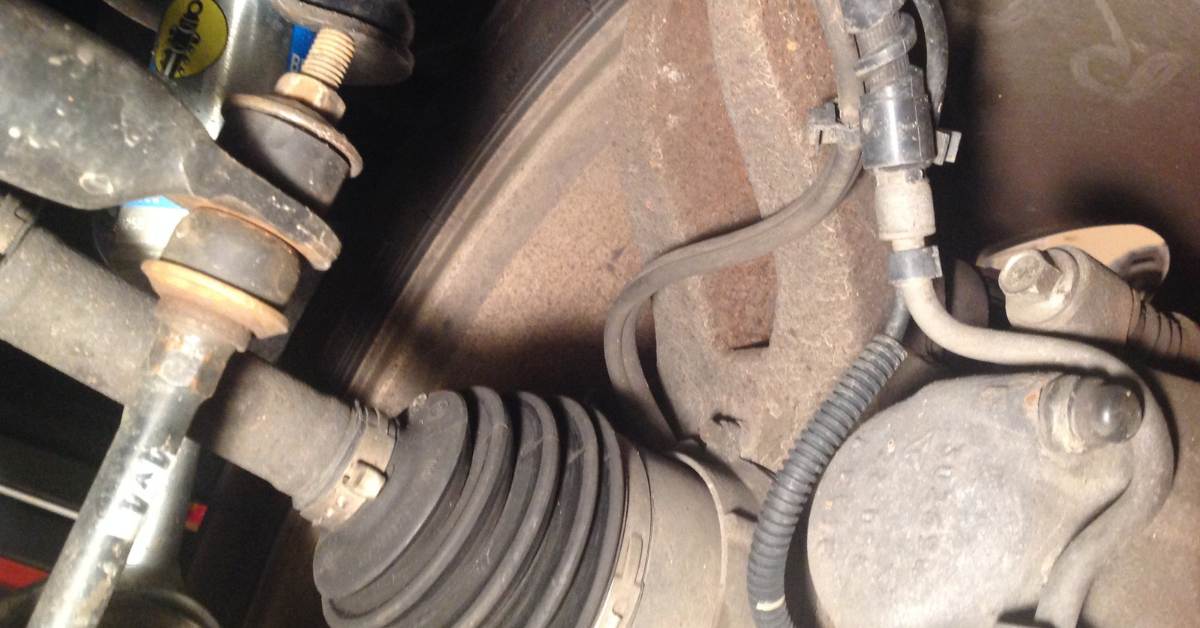
Many Ford F-150 models use a vacuum-operated front hub system instead of fully automatic locking hubs. This system engages and disengages the front wheels during four-wheel drive (4WD) operation, helping improve fuel efficiency when 4WD isn’t needed.
However, like any mechanical system, vacuum hubs can develop problems over time. Vacuum leaks, worn seals, damaged actuators, and internal wear can all prevent the 4WD system from engaging properly.
If your Ford F-150 displays a “Check 4WD” warning or struggles to switch between two-wheel drive and four-wheel drive, the vacuum hub system may be the cause.
This guide explains the most common Ford F-150 vacuum hub problems, their symptoms, and how to fix them.
Common Ford F-150 Vacuum Hub Problems
| Problem | Recommended Solution |
|---|---|
| Broken or chipped hub teeth | Replace the damaged hub assembly |
| Worn vacuum seals | Install new seals |
| Vacuum leaks | Replace cracked or damaged vacuum hoses |
| Excessive front-end vibration | Replace bent or misaligned hubs |
| Worn internal hub components | Clean or replace damaged parts |
| Grinding noise when engaging 4WD | Inspect and replace the vacuum hub actuator if necessary |
| Difficulty shifting into 4WD | Check vacuum lines and repair oil leaks |
| Four-wheel drive won’t engage | Inspect the vacuum solenoid and windshield seals |
1. Broken or Chipped Vacuum Hub Teeth
One of the most common vacuum hub failures is damage to the gear teeth inside the hub assembly.
The hub locks the front wheels to the axle whenever four-wheel drive is engaged. Over time, excessive torque or sudden impacts can chip or break these teeth, preventing the system from locking correctly.
Common causes
- Towing loads beyond the truck’s capacity
- Frequent off-road driving
- Hard impacts with rocks or potholes
- Normal wear after high mileage
Symptoms
- 4WD fails to engage
- Grinding or rattling noises
- Clicking from the front wheel area
- Check 4WD warning message
Solution
Unfortunately, damaged hub teeth cannot be repaired. Replacing the entire vacuum hub assembly is the recommended fix.
Avoid exceeding your truck’s towing capacity and inspect the hubs after heavy off-road use to reduce the risk of future damage.
2. Worn Vacuum Seals
Vacuum seals maintain the pressure required for the hub to engage and disengage properly.
As these seals age, they become brittle and may crack, allowing vacuum pressure to escape.
Common causes
- Age-related wear
- Water and mud contamination
- Road salt exposure
- Corrosion inside the hub
Symptoms
- Delayed 4WD engagement
- Difficulty switching drive modes
- Intermittent vacuum loss
Solution
Replace damaged seals as soon as possible. If you frequently drive in harsh conditions, regular inspections can help prevent premature seal failure.
3. Vacuum Leaks
The vacuum hub system relies on hoses and vacuum lines to operate correctly. Even a small leak can prevent enough vacuum pressure from reaching the hubs.
Common causes
- Cracked vacuum hoses
- Loose hose connections
- Brittle rubber lines
- Heat damage from the engine
Symptoms
- Four-wheel drive won’t engage
- Hissing sounds
- Check 4WD warning
- Inconsistent hub operation
Solution
Inspect every vacuum hose for cracks, loose fittings, or disconnected lines. Replacing old rubber hoses with high-quality silicone vacuum lines can improve durability and reduce future failures.
4. Front-End Vibrations
A damaged or misaligned vacuum hub can cause noticeable vibrations while driving.
If the hub cannot rotate smoothly with the wheel assembly, it may create shaking that becomes more noticeable at highway speeds.
Symptoms
- Steering wheel vibration
- Front-end shaking
- Uneven tire wear
- Vibration that increases with speed
Solution
Inspect the front hub assembly for signs of bending or misalignment. Replace any damaged components and perform a wheel alignment if necessary.
5. Worn Internal Hub Components
Internal hub parts gradually wear out due to dirt, corrosion, and repeated use.
Moisture entering the hub assembly can accelerate corrosion and reduce the lifespan of internal components.
Common causes
- Dirt and debris
- Water intrusion
- Rust
- High mileage
Symptoms
- Inconsistent hub engagement
- Rough operation
- Grinding noises
Solution
Clean the hub assembly thoroughly and remove rust whenever possible. If internal components are heavily worn or damaged, replacing the hub is usually the most reliable repair.
6. Grinding Noise When Engaging 4WD
Grinding noises usually indicate that the hub isn’t engaging correctly.
This may occur because of worn gears, poor alignment, or a failing vacuum hub actuator.
Possible causes
- Damaged actuator
- Misaligned hub assembly
- Worn internal gears
- Insufficient lubrication
Solution
Inspect the vacuum hub actuator and hub assembly. Replace worn components before continued use causes additional drivetrain damage.
7. Difficulty Shifting Between 2WD and 4WD
If your F-150 struggles to switch between two-wheel drive and four-wheel drive, insufficient vacuum pressure is often to blame.
Common causes
- Blocked vacuum lines
- Oil contamination
- Vacuum leaks
- Damaged hoses
Symptoms
- Slow engagement
- 4WD light flashing
- Truck remains stuck in one drive mode
Solution
Inspect vacuum hoses for restrictions and repair any engine oil leaks that may contaminate the system. Replacing clogged or damaged lines often restores normal operation.
8. Four-Wheel Drive Won’t Engage
The vacuum hub system also depends on an Integrated Wheel End (IWE) solenoid, which controls vacuum delivery to the hubs.
If the solenoid fails, the hubs may never engage.
Common causes
- Water intrusion
- Corrosion
- Electrical failure
- Damaged wiring
On many Ford F-150 models, the IWE solenoid is located near the cowl area, making it susceptible to water leaks caused by damaged windshield seals or improper windshield installation.
Symptoms
- Check 4WD warning
- Front wheels fail to lock
- Clicking from the front axle
- No response when selecting 4WD
Solution
Inspect the IWE solenoid for corrosion or water damage. Also check the windshield seal and cowl area for leaks that could allow moisture to reach electrical components.
How to Prevent Ford F-150 Vacuum Hub Problems
Regular maintenance can significantly reduce the likelihood of vacuum hub failure.
To keep the system working properly:
- Inspect vacuum hoses during routine maintenance.
- Replace cracked or brittle vacuum lines.
- Check hub seals for leaks.
- Avoid exceeding the truck’s towing capacity.
- Clean mud and debris from the front hubs after off-road driving.
- Repair windshield leaks to prevent water from reaching the IWE solenoid.
- Address unusual noises or 4WD warning lights as soon as they appear.
The Ford F-150’s vacuum-operated hub system is reliable when properly maintained, but worn seals, vacuum leaks, damaged hub assemblies, and faulty IWE solenoids can cause four-wheel-drive problems.
If you notice grinding noises, difficulty engaging 4WD, front-end vibrations, or a Check 4WD warning, inspecting the vacuum hub system early can help prevent more expensive drivetrain repairs. Regular maintenance of the hubs, vacuum lines, and seals is the best way to ensure your F-150’s four-wheel drive system remains dependable in all driving conditions.