
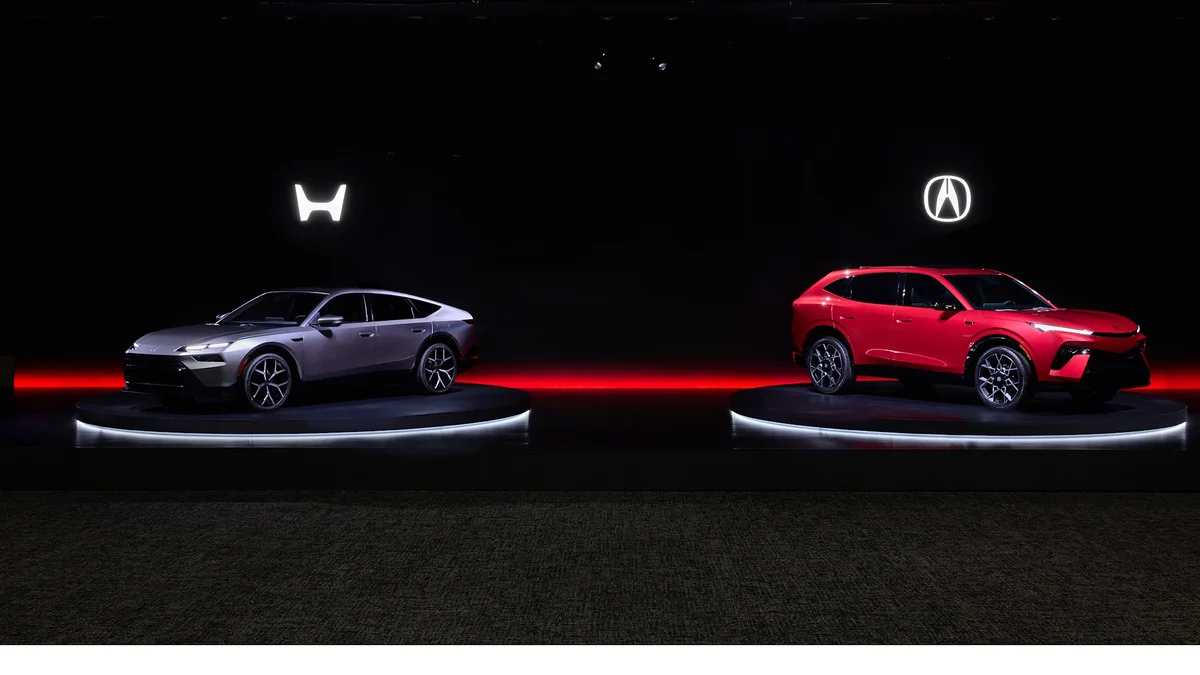
Honda is preparing a new generation of hybrid vehicles designed to improve fuel economy, reduce manufacturing costs and preserve driving performance. The new system, branded Honda Hybrid, is expected to begin entering global markets in 2027 as the Japanese automaker strengthens its position in an increasingly competitive electrified-vehicle market.
The company plans to introduce 15 models featuring the technology by March 2030, with initial attention on markets including North America, Japan and India.
Rather than relying exclusively on battery-electric vehicles, Honda is expanding its hybrid strategy to meet demand for better fuel efficiency while keeping development and production costs under control. The move comes as Chinese automakers expand internationally with competitively priced electrified vehicles.
Honda Targets Lower Costs and Better Fuel Economy
The next-generation system builds on Honda’s existing e hybrid technology, which combines a combustion engine with two electric motors.
Honda plans to expand the engine’s efficient operating range and reduce the size of the drive unit. The company also aims to cut hybrid system costs by more than 30% compared with the technology introduced in 2023.
Models using the new hybrid system alongside Honda’s next-generation vehicle platform are expected to deliver fuel economy improvements of more than 10%, according to the company’s stated targets.
If achieved, the reductions could help Honda offer more efficient vehicles without significantly increasing prices. Lower production costs could also give the company greater flexibility as it competes with manufacturers offering increasingly affordable hybrid and electric cars.
However, the announced figures are development targets. Independent testing will be needed to establish how much fuel consumption improves under real-world driving conditions.
New Vehicle Platform Focuses on Weight and Handling
Honda’s plans extend beyond the hybrid powertrain. The company is also developing a new vehicle structure intended to reduce weight while increasing body rigidity.
A lighter vehicle can require less energy to accelerate, potentially improving efficiency. Greater structural rigidity can also help engineers improve handling precision, stability and ride comfort.
Honda aims to use these structural changes to improve driving dynamics rather than relying solely on suspension adjustments. The approach could help future hybrid models maintain the responsive handling that the company has traditionally emphasized.
The new platform is expected to support multiple vehicle types, potentially including sedans and SUVs. Honda has not yet provided a complete breakdown of which models will receive the updated architecture first.
Motion Management System and Electric All-Wheel Drive
Another part of the development program is Honda’s Motion Management System, which is intended to coordinate vehicle controls and adjust driving behavior in different situations.
Honda is also working on an electric all-wheel-drive system known as e-AWD. The technology is expected to complement front-wheel-drive configurations and could give future hybrid models additional traction and control.
The company has not disclosed full technical specifications, including motor output or how power will be distributed to the rear wheels.
Those details will be important in determining how the system performs in poor weather, through corners and under acceleration. Until Honda provides more information, its real-world capabilities remain unclear.
Civic Hybrid Prototype Offers an Early Look
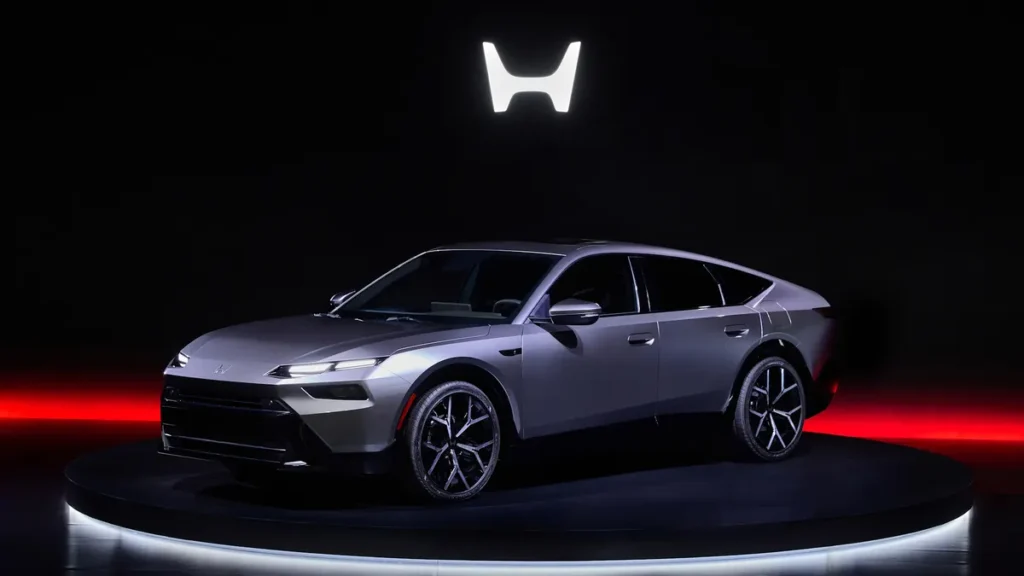
A prototype of a future Civic Hybrid has already provided an early indication of the technology Honda is developing.
The prototype uses a 2.0-liter combustion engine paired with two electric motors, following the general approach of the company’s existing hybrid systems. A similar configuration could potentially be adapted for other vehicles, including sedans and SUVs.
The prototype demonstrates Honda’s continued investment in hybrid powertrains, but it does not establish the final specifications of future production models. Details such as output, acceleration, fuel consumption and pricing have yet to be confirmed.
Honda Strengthens Its Hybrid Strategy Against Chinese Rivals
Honda’s plans reflect the pressure facing established automakers as Chinese manufacturers expand their presence in international markets. Competitive pricing, improvements in battery technology and a growing range of electrified models have intensified competition across the automotive industry.
By reducing hybrid system costs and improving efficiency, Honda hopes to make its vehicles more attractive to buyers who want lower fuel consumption without depending entirely on charging infrastructure.
The strategy could be particularly relevant in markets where hybrids offer a practical alternative to fully electric vehicles. However, the balance between hybrid and battery-electric demand varies by region, and Honda will need to tailor its product lineup accordingly.
The company has outlined ambitious goals for cost savings and fuel economy, but independent performance figures are not yet available. The success of the new generation will depend on whether Honda can deliver those improvements while maintaining competitive prices and the driving characteristics customers expect.
With the first models expected in 2027 and 15 planned by March 2030, Honda’s next hybrid rollout will be an important test of its ability to compete in a rapidly changing global market.