
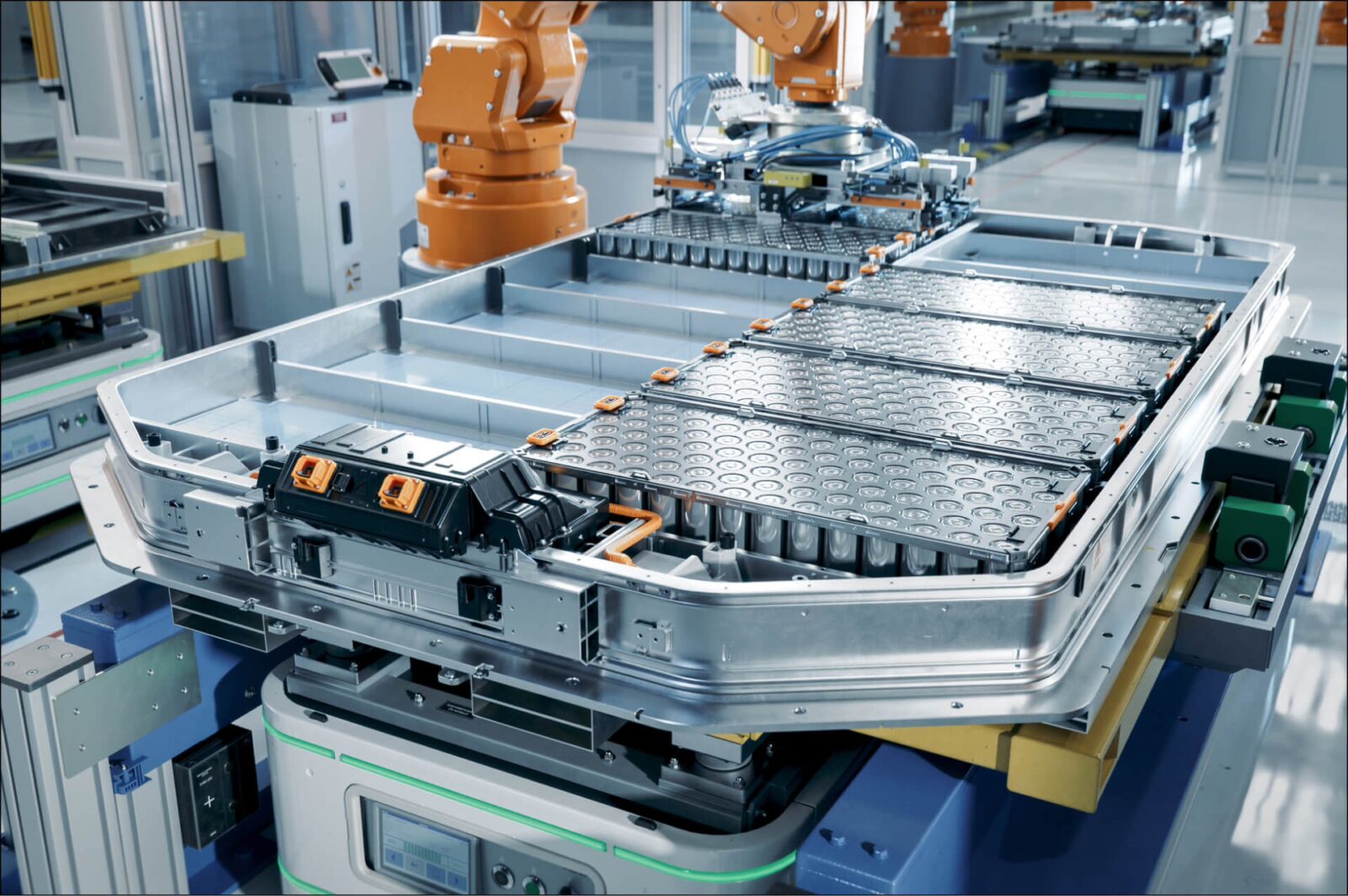
Electric car batteries do lose capacity over time, much like the batteries in smartphones and other devices. However, new data suggests that the rate of degradation may not be as severe as many potential EV buyers fear.
According to a global analysis by Aviloo, a company specializing in electric vehicle battery diagnostics, most electric cars retain around 90% of their original battery capacity after 150,000 kilometers of driving.
The findings are based on around 500,000 battery health checks covering 20 electric car models sold across the Americas, Europe, Asia, and Australia. The company used the data to examine how battery health changes as vehicles accumulate mileage.
For drivers concerned about the long-term reliability of an EV, the results are encouraging. Battery degradation is inevitable, but the data suggests that modern electric cars can retain most of their usable range for many years.
Which Electric Cars Retain the Most Battery Capacity?
The results varied significantly between models.
At 150,000 kilometers, the Mercedes-Benz EQA and Hyundai Ioniq 5 were among the strongest performers, retaining almost 94% of their original battery capacity.
The BMW i4 also performed well in the analysis, ranking close to the two leading models.
Older EV designs and vehicles equipped with smaller batteries generally showed more degradation. The Nissan Leaf and Renault Zoe, for example, retained around 87% of their usable battery energy at the same mileage.
The difference highlights how battery chemistry, cooling systems, battery size, and the overall design of an electric vehicle can influence long-term battery health.
Mileage Isn’t the Only Factor Behind Battery Degradation
While driving distance has an obvious effect on battery wear, Aviloo’s analysis suggests that it isn’t the only factor that matters.
Charging habits, fast-charging frequency, and climate can all affect how quickly an EV battery loses capacity. Vehicles operating in particularly hot environments may also experience different degradation rates depending on the battery technology and thermal management system used by the manufacturer.
Frequent use of DC fast charging is another factor worth considering. Fast charging generates more heat and can place additional stress on the battery, although modern EVs use sophisticated thermal management systems to keep temperatures within safe limits.
This means two electric cars with similar mileage can potentially have different battery health depending on how they were driven, charged, and maintained.
Modern EV Batteries Are Becoming More Durable
The findings are particularly relevant for drivers who are hesitant to switch to an electric vehicle because of concerns about battery replacement costs.
Retaining roughly 90% of the original capacity after 150,000 kilometers means that many EVs can still offer substantial driving range after years of use. A vehicle that originally offered 500 kilometers of range, for example, could theoretically retain around 450 kilometers at that level of battery health, although real-world range depends on several other factors.
The results also show why it’s difficult to judge EV battery longevity based solely on mileage. Different battery technologies and vehicle designs can produce noticeably different results.
Does Fast Charging Damage an EV Battery?
The question of fast charging and battery degradation continues to attract attention from both EV owners and manufacturers.
BYD, for example, recently conducted a practical test to investigate whether ultra-fast charging can damage an electric car battery. The test is part of a broader industry effort to understand how increasingly powerful charging systems affect battery longevity.
As charging speeds continue to increase, battery manufacturers and automakers are working on ways to control heat and reduce battery stress. Improved cooling systems and battery management software are becoming increasingly important as EV charging technology develops.
How Long Do Electric Car Batteries Last?
There is no single mileage figure that determines when an EV battery needs to be replaced. Battery degradation happens gradually, rather than suddenly, when the battery stops working.
The Aviloo data provides some reassurance, showing that many electric cars retain around 90% of their original capacity after 150,000 kilometers. However, individual results can vary depending on the vehicle, battery technology, climate, charging behavior, and driving conditions.
For anyone considering an electric car, battery health should therefore be viewed as a gradual decline rather than a simple question of whether the battery will suddenly fail.
Overall, the latest data suggests that concerns about rapid battery degradation may be overstated for many modern EVs. While batteries do lose capacity with age and use, today’s electric cars appear capable of retaining a large portion of their original capacity well into their usable life.