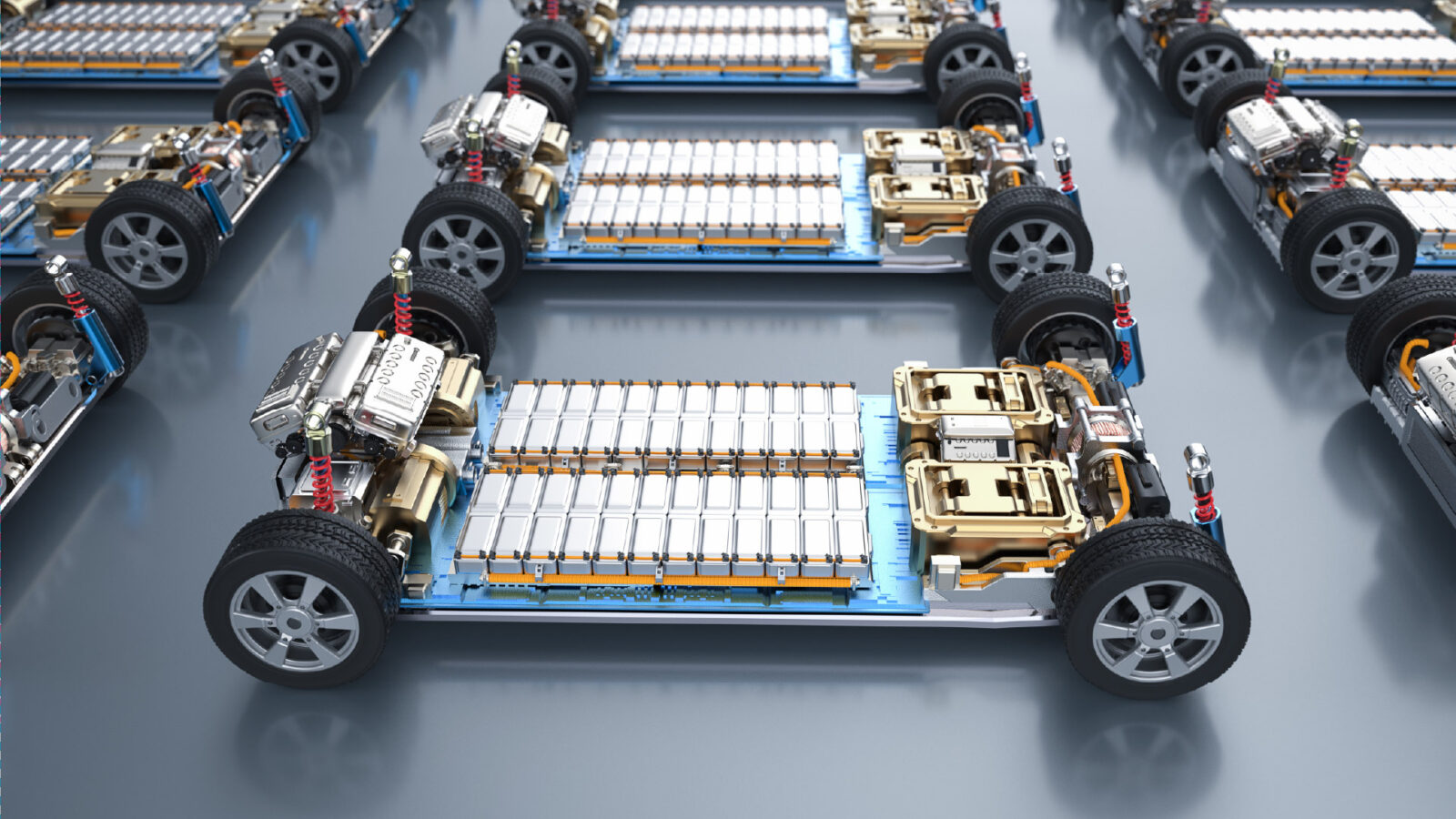
As electric vehicles become more common, many people wonder what happens to their batteries once they can no longer power a car efficiently. Instead of ending up as waste, most batteries begin a second life in energy storage and other sustainable applications.
Most automakers back electric vehicle batteries with warranties of up to eight years or 160,000 kilometres, ensuring dependable performance throughout their intended lifespan. Even after the warranty expires, these batteries often retain enough capacity for uses beyond transportation.
One of the most practical applications involves renewable energy storage. Homes, businesses, and communities can use retired EV batteries to store electricity generated by solar panels during the day and use it later when demand rises or sunlight is unavailable. This improves energy efficiency and reduces reliance on traditional power sources.
Businesses also install second-life batteries in commercial buildings and parking facilities to manage electricity consumption during peak hours. In remote areas, these battery systems store energy from solar and wind projects, providing a reliable power supply in locations with limited access to the electrical grid.
Battery reuse also supports the principles of the circular economy, which focuses on extending the lifespan of products instead of discarding them after a single use. By giving batteries a second purpose, manufacturers reduce waste, lower environmental impact, and make better use of valuable materials.
The growing market for second-life batteries has also created new business opportunities. Companies now develop large-scale energy storage systems using retired EV batteries, helping stabilize power grids and support the expansion of renewable energy.
As electric vehicle adoption continues to grow, battery repurposing will play an increasingly important role in the clean energy transition. Instead of becoming waste after their automotive service ends, these batteries continue to deliver value by supporting sustainable energy systems and improving electricity access for communities.